
 December 9 - 11
 COAM
COAM


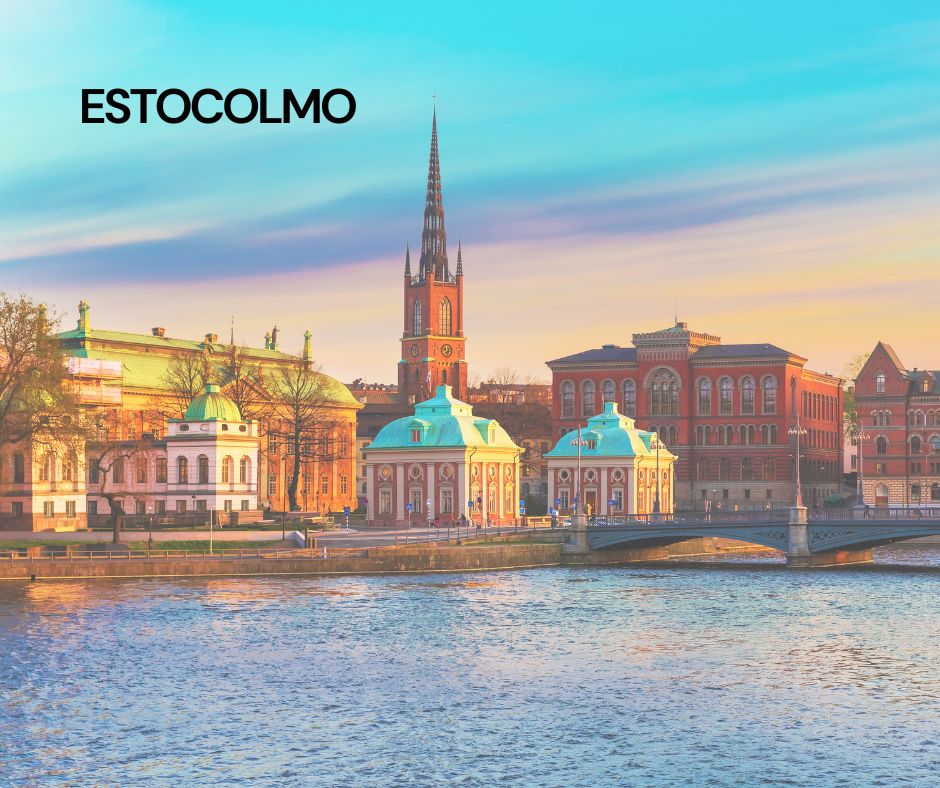
Stockholm leads the way with an urban model that balances nature, technology and social well-being. Its planning prioritises sustainability, clean mobility and the quality of public spaces, consolidating a green, inclusive city that is prepared for the climate challenges of the future.
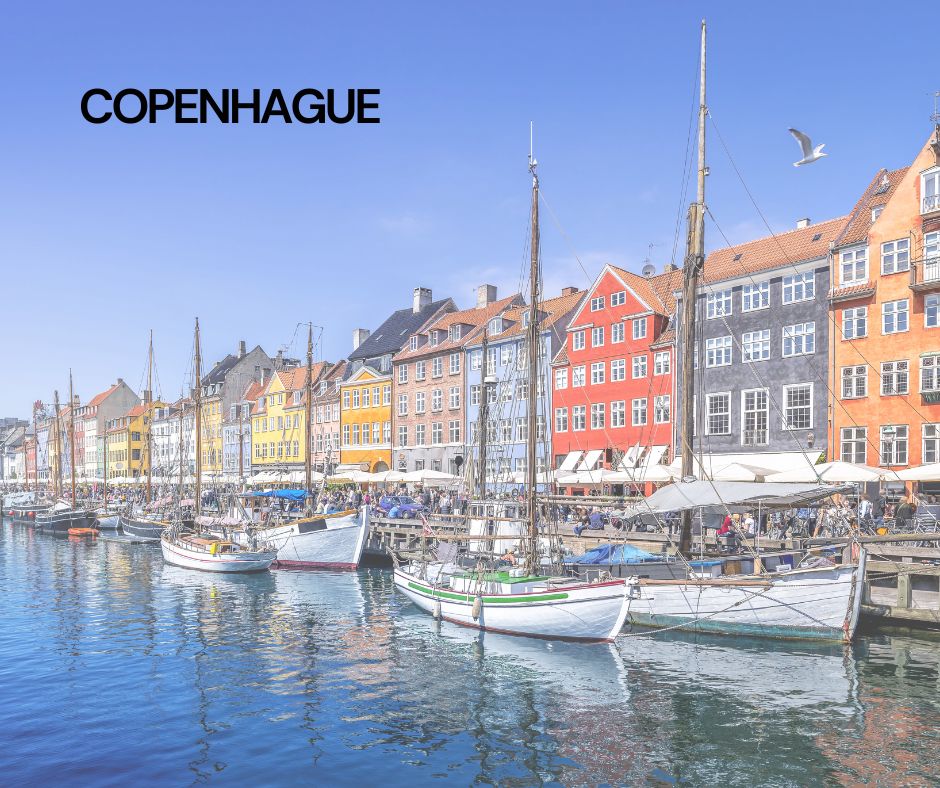
Copenhagen is a benchmark in urban sustainability and people-centred design. Its model integrates active mobility, efficient water management and climate-responsible architecture, with the aim of becoming the world's first carbon-neutral capital by 2030.
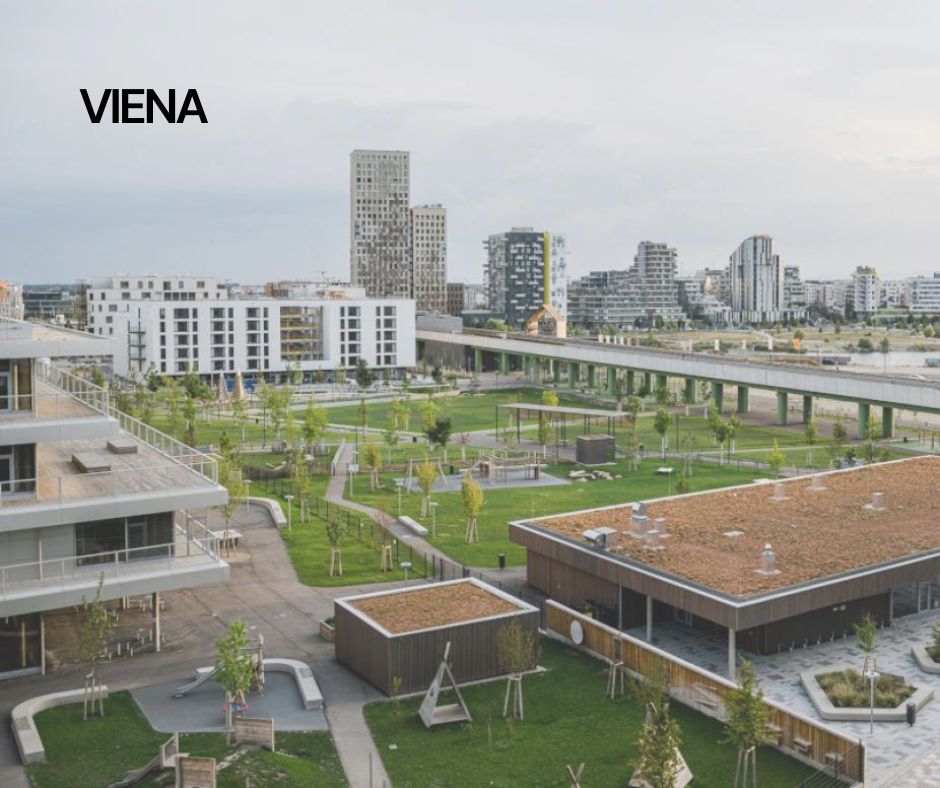
Vienna is an international benchmark in public housing and sustainable planning. Its model combines public investment, social management and high-quality architectural design to ensure affordable access, community cohesion and an equitable, resilient and people-centred city.
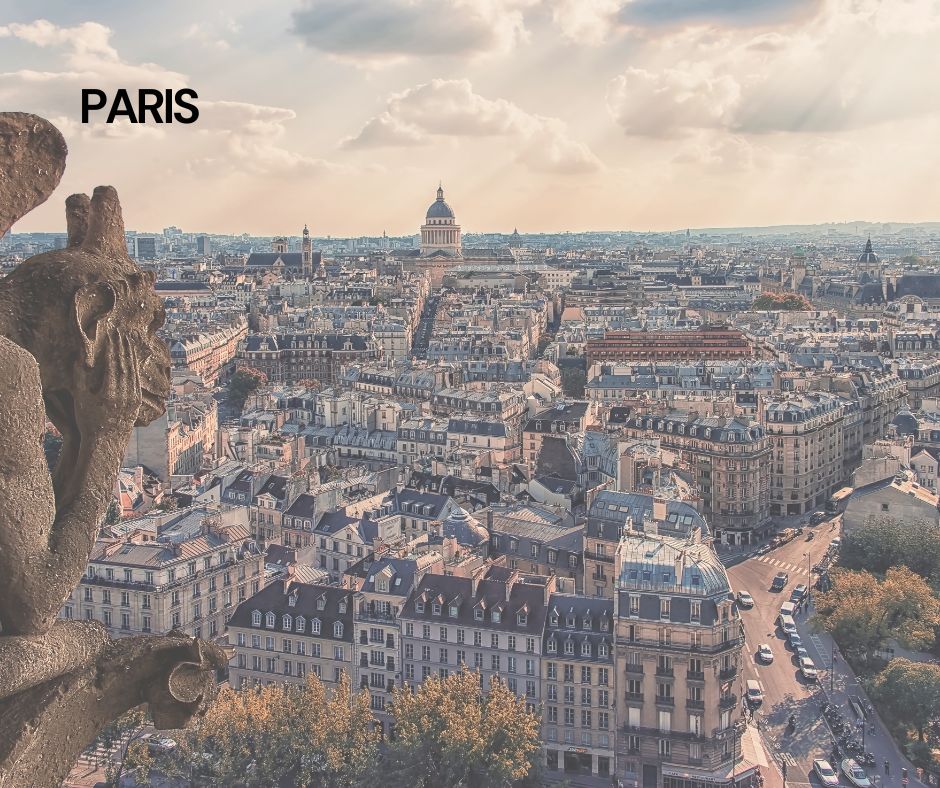
Paris is promoting a metropolitan model based on sustainable mobility and energy efficiency. Its strategy combines public transport, reduction of private traffic and balanced land-use planning, seeking to create a more connected, liveable and climate-neutral city.
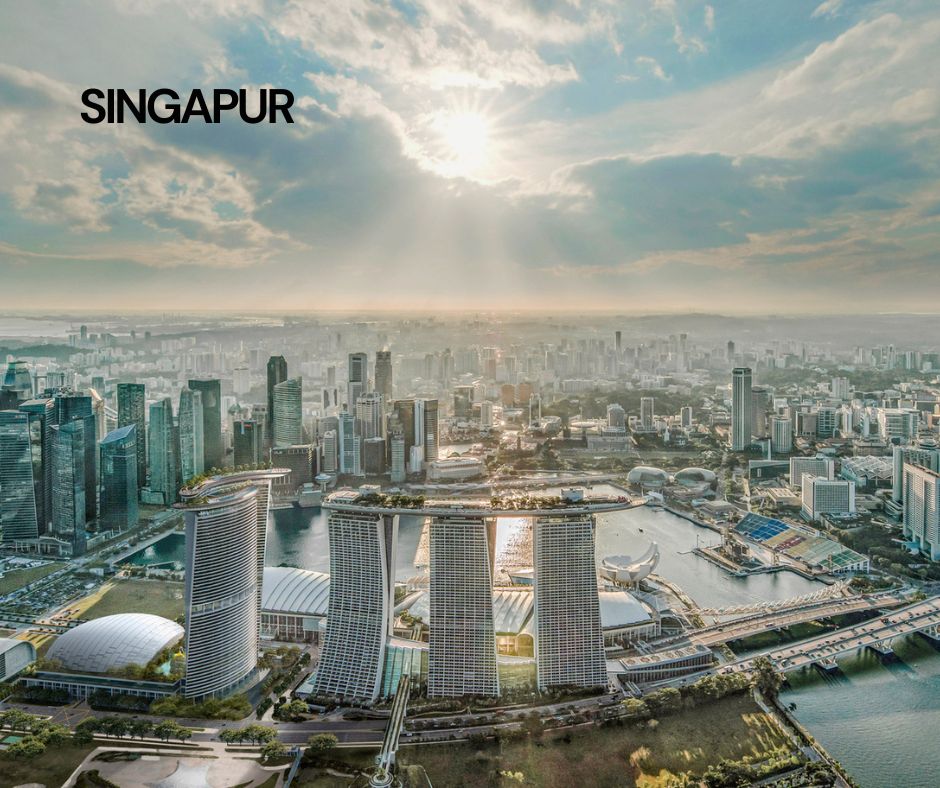
Singapore represents an advanced model of urban planning where collective space is a driver of social cohesion. Its strategy combines public housing, integrated nature, and efficient land management to build a compact, livable, and innovative city, recognized worldwide for its long-term vision.
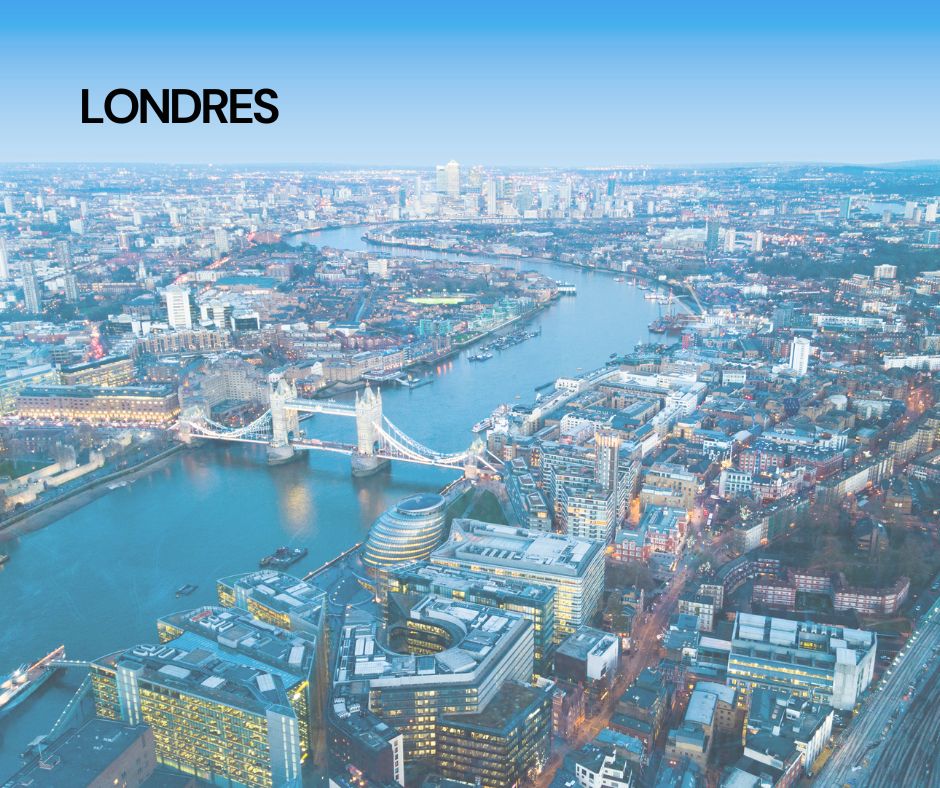
London entwickelt eine Stadtentwicklungsstrategie, die auf der Erneuerung von Stadtvierteln und bezahlbarem Wohnraum basiert. Durch eine Politik der integrativen Planung und nachhaltigen Gestaltung fördert es eine vielfältige, dichte und widerstandsfähige Stadt, die in der Lage ist, auf die sozialen und ökologischen Herausforderungen des 21. Jahrhunderts zu reagieren.
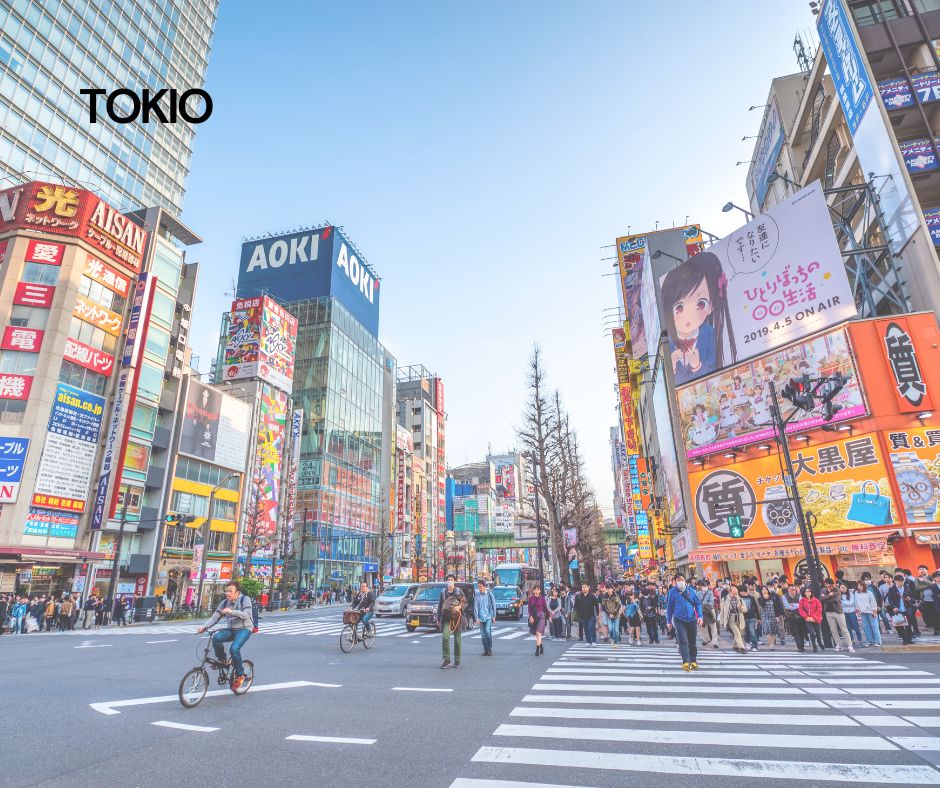
Tokyo combines technological innovation and adaptive planning to address the challenges of urban growth and climate change. Its model integrates density, efficient transport and resilience to natural hazards, consolidating a compact, safe and sustainable metropolis.
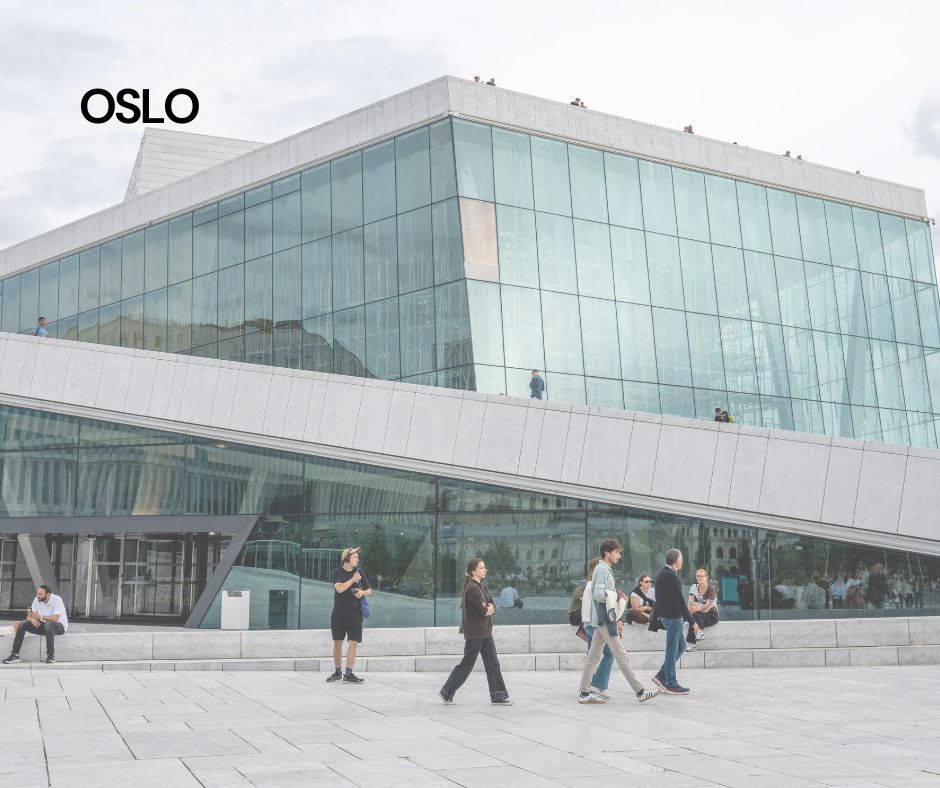
Oslo has placed sustainability at the heart of its metropolitan transformation. Its model reduces emissions through almost total electric mobility, compact planning and responsible management of natural resources. The city is moving towards a balance between urban growth, energy efficiency and quality of life for its citizens.

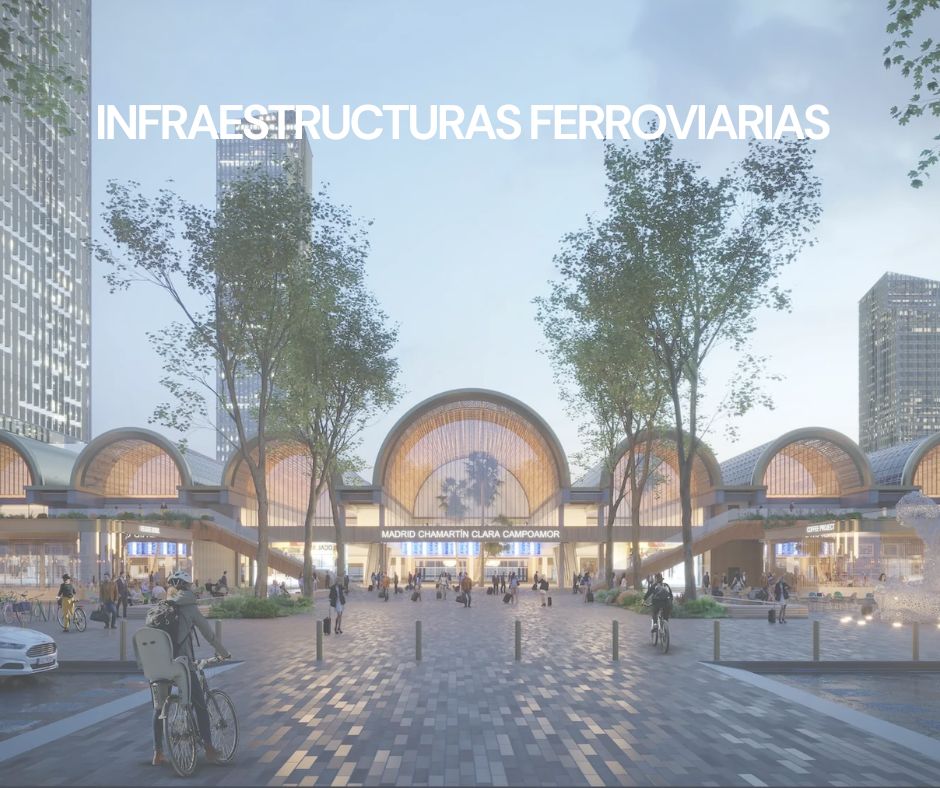
A benchmark in the transformation of large mobility hubs, the debate brings together b720 Fermín Vázquez Arquitectos, UNStudio, Inés Sánchez de Madariaga, Adif and Madrid Nuevo Norte to address the role of railway stations as new urban centres. These infrastructures, conceived as spaces for exchange, innovation and social cohesion, promote a more connected, sustainable and people-oriented city.
The United Nations Economic Commission for Europe (UNECE) promotes international frameworks to guarantee the right to adequate and sustainable housing. In this debate, Javier Torner Ruiz de Término (UNECE) discusses how global standards of habitability can be applied to local urban contexts, promoting more equitable, healthy and resilient environments.

The debate brings together the We Are Water Foundation and Canal de Isabel II to reflect on the role of water as a structural element of the territory. Management strategies, design and collective awareness will be addressed to ensure a more sustainable and resilient urban future.

How can architecture act as an agent of change in an ever-changing urban environment? This debate brings together more than fifteen architects—including Carme Pinós and Paul Karakusevic—to analyse how the discipline redefines ways of life, activates communities and anticipates new ways of living, with Carlos Bañón generating real-time visualisations using artificial intelligence based on the conversation.
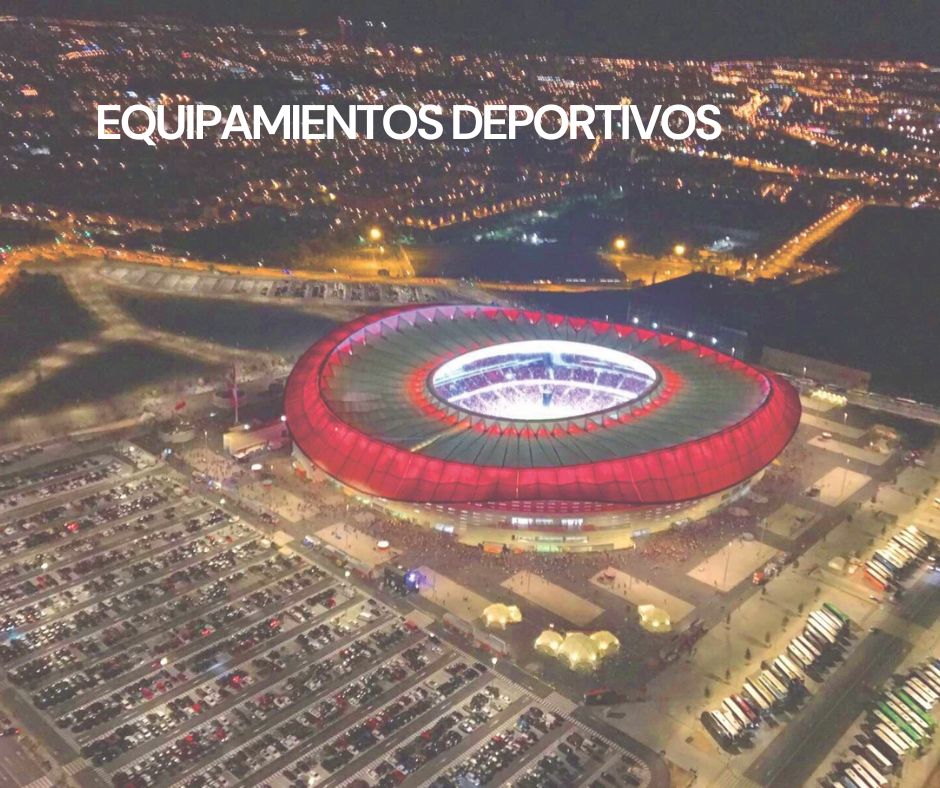
A benchmark in the integration of architecture, sport and the city, the Cruz y Ortiz studio has developed facilities that transcend their sporting function to become urban catalysts. Together with Atlético de Madrid, they will present how large infrastructures can activate housing, mobility and public space, promoting sustainable urban regeneration that is connected to its surroundings.
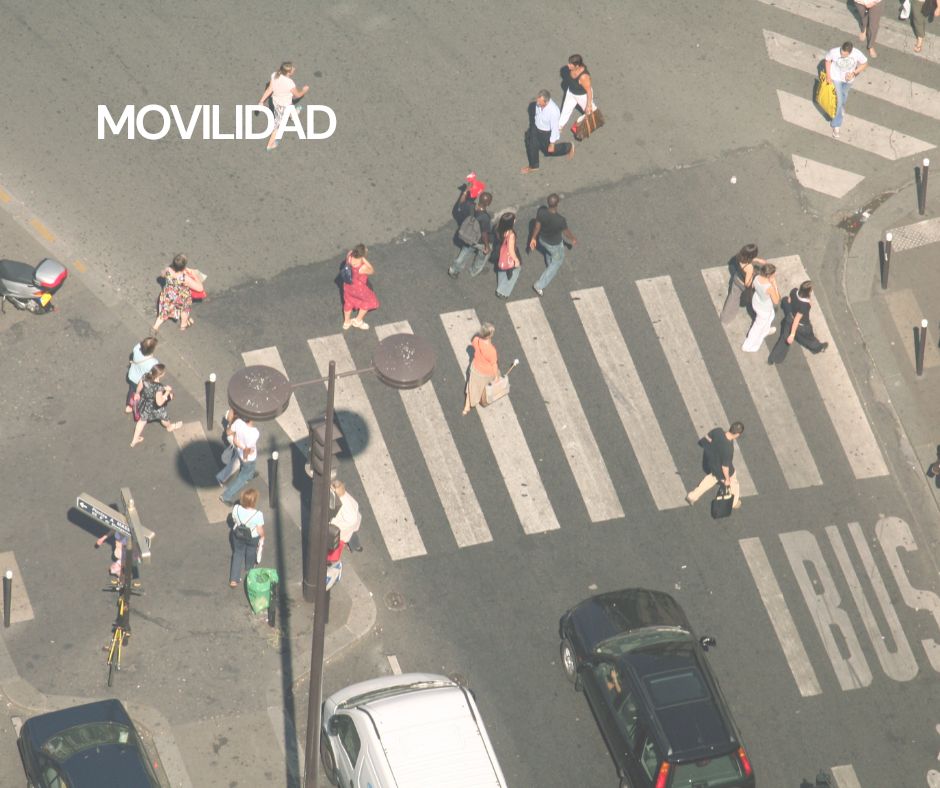
This debate analyses how transport policies and systems can evolve towards more inclusive, sustainable and people-centred models. Experts in mobility, planning and technology discuss strategies for designing cities where getting around also means living better.
How can we assess the real impact of urban policies in a context of global transformation? This debate brings together Elisa Lanzi and Andrés Fuentes (OECD) with Alberto Granados (Forética and Microsoft Europe) to analyse metrics and indicators that integrate economics, sustainability and digitalisation in the construction of more efficient and liveable cities.

How can we imagine new urban scenarios at the intersection of design, technology and critical thinking? This debate brings together Carlos Bañón, Prodigioso Volcán and MIT to explore design future thinking methodologies that enable us to anticipate change, activate innovation and project possible futures using digital tools and collaborative processes.


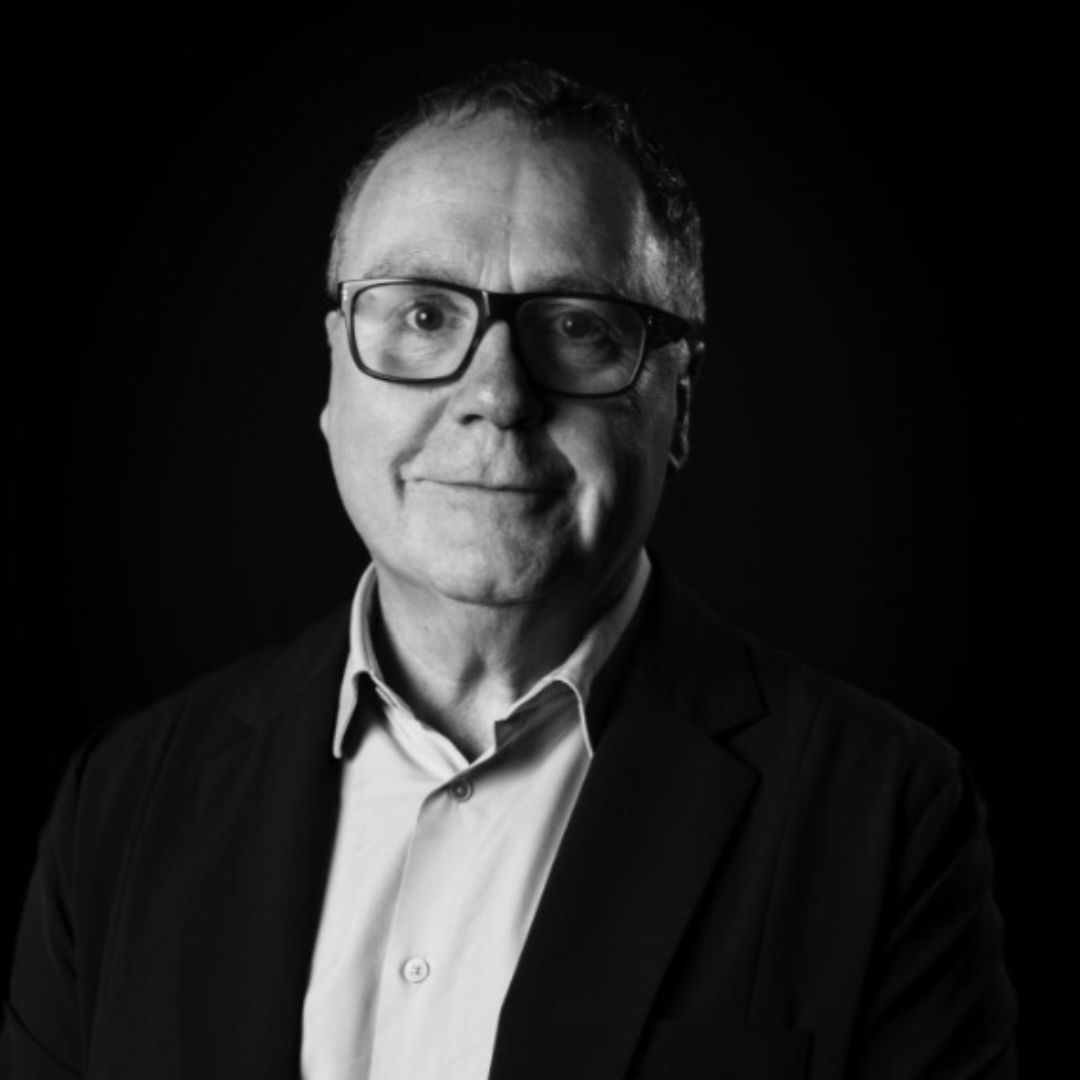
A career spanning more than 40 years dedicated to the study, teaching, consulting and dissemination of knowledge about cities. Author of 10 books and more than 100 reports on urban investment and leadership, he co-hosts the podcasts The Century of Cities and The DNA of Cities, and is co-founder of the Urban Analytics Group, The Business of Cities.
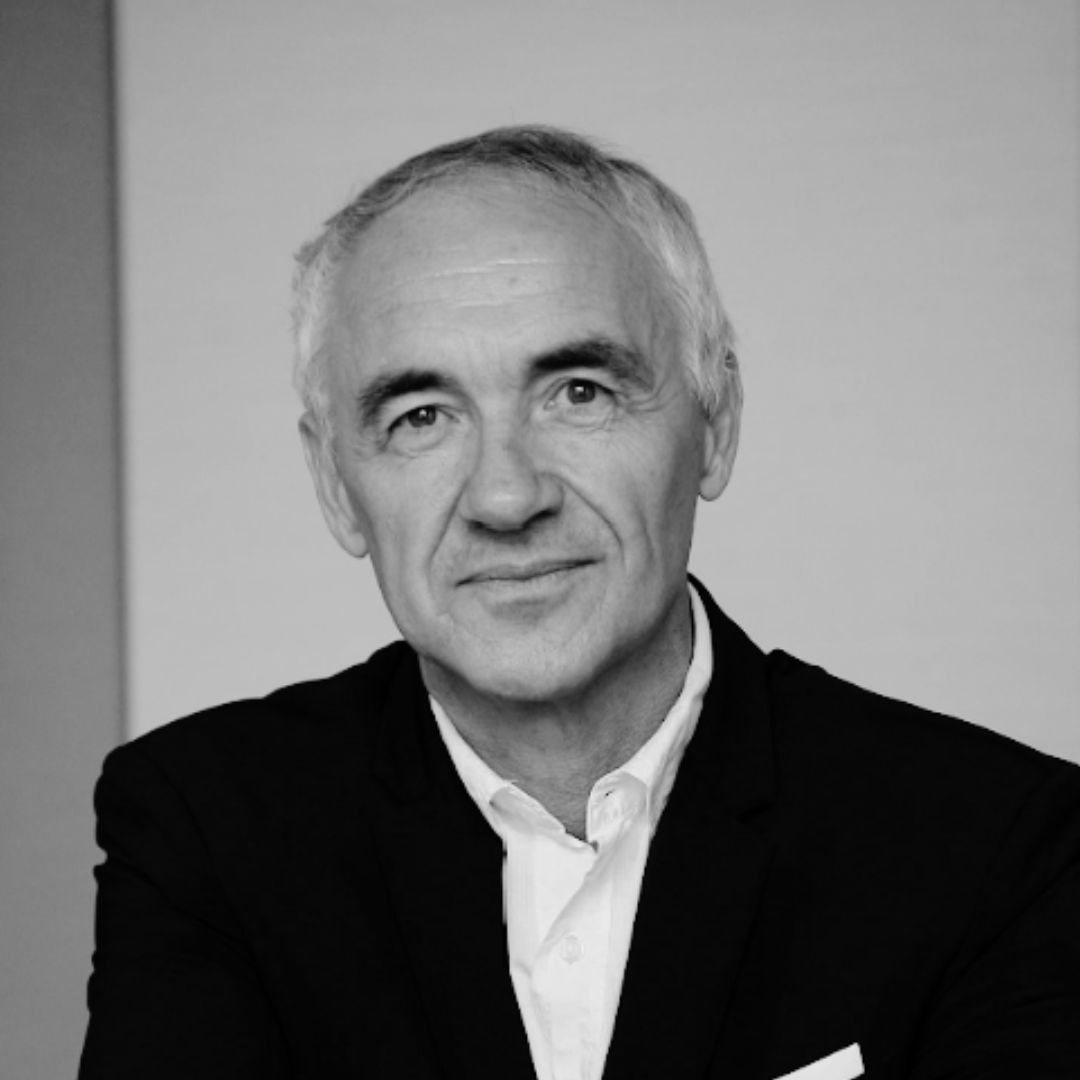
Architect, economist and sociologist, PhD in Urban and Regional Planning. Founder of the Metropolis Foundation, he has advised cities such as Singapore, Bilbao and Medellín. Honorary Consul of Singapore in Madrid, his work has been recognised with awards such as the Rey Jaime I and the Global Award for Excellence.

An architect specialising in urban planning and public management, he coordinates Stockholm's development and housing strategy. With experience in both the private and municipal sectors, he promotes projects that integrate sustainability, design and governance for a more liveable and cohesive city.
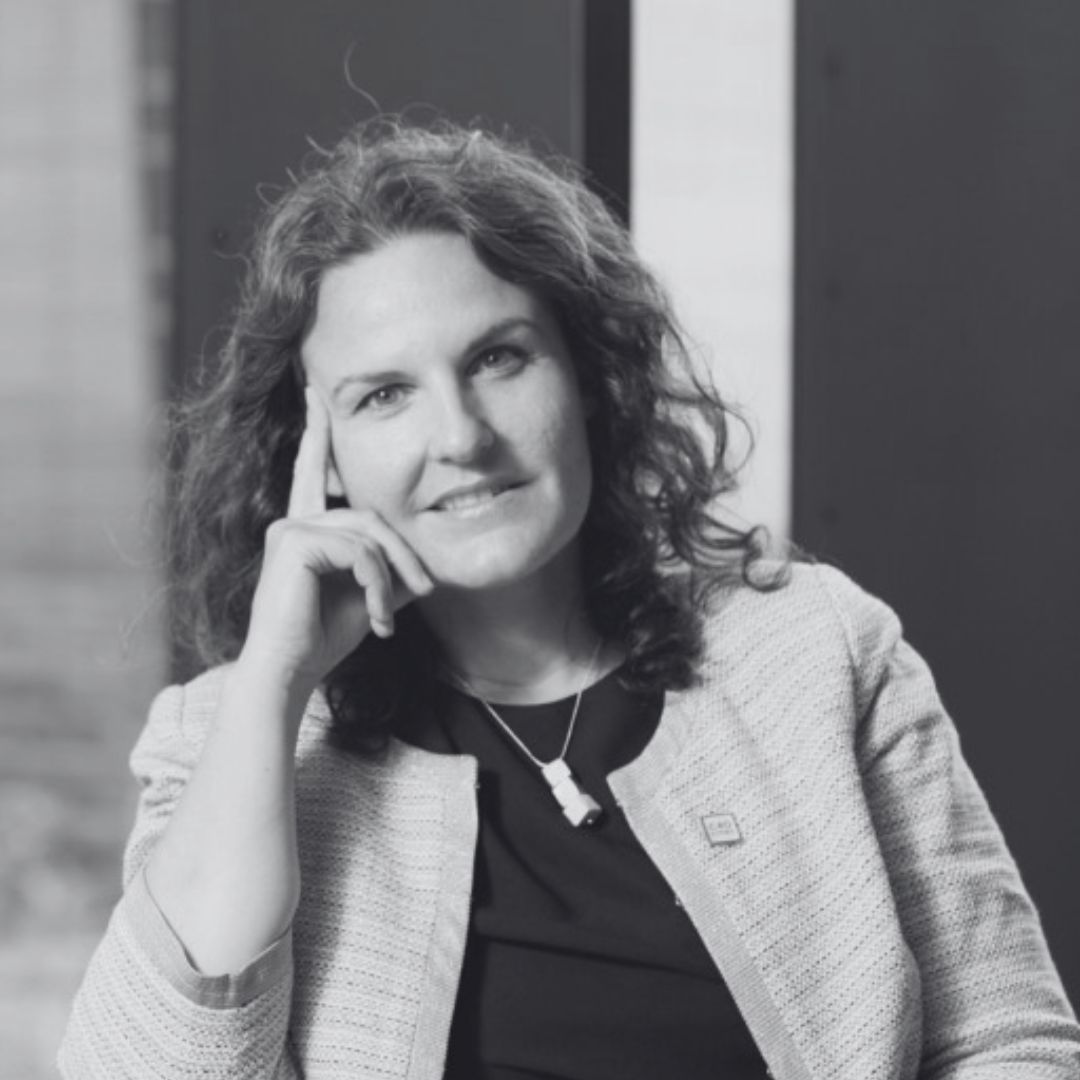
Specialist in urban diplomacy and climate change, managing collaborative relationships between local governments and international organisations. Expert in urban knowledge transfer, cooperation with the European Commission and fundraising for climate projects.

Responsible for driving urban innovation from Copenhagen's Nordic ecosystem. Leads international initiatives on sustainability, circular construction and urban regeneration. Member of the executive committee of ULI Denmark, promoting the global exchange of knowledge on sustainable cities.

An architect and director of the London Festival of Architecture, part of New London Agenda—the network that brings together the mayor, the City Council and more than 400 organisations—Rosa Rogina is Associate Director at NLA. With experience at MVRDV, Grimshaw and Farshid Moussavi Architecture, she develops urban strategies with administrations and communities.

Licenciada en Económicas y Derecho por ICADE. Con más de 25 años de trayectoria en el sector inmobiliario, representa la tercera generación del Grupo Roca, especializado en vivienda protegida, donde es directora general desde 1999. En 2022 fue elegida presidenta de la asociación.

Architect with experience in urban planning and property management, specialising in turning urban visions into real projects. He has participated in strategic operations such as Madrid Nuevo Norte, 22@ Barcelona and the regeneration of AZCA, integrating technical, financial and market criteria to promote new city models.

An architect, journalist and doctor from the Polytechnic University of Madrid, she is an expert in sustainability, innovation and architectural communication. From her position as Managing Director of COAM, she promotes strategic projects such as Madrid 2050, promoting an integrated vision of urban planning and architectural quality.

An architect and guest lecturer at leading universities, he is the designer of buildings such as the Estadio de la Cartuja, Santa Justa, the extension to the Rijksmuseum and the Estadio Metropolitano. His career has been recognised with international awards such as the Order of the Netherlands Lion and the CSCAE Gold Medal.

Arquitecto formado en la EUAG. Tras colaborar con Amadó-Domènech, Alfredo Vidal, Marco Vidotto y Carme Pinós, fundó XNF Arquitectes en 1999. Ha expuesto en la Bienal de Venecia, redactado el Plan de Iluminación de Barcelona, sido jurado AHI 2022 y codirige Cities Connection Project, con 34 exposiciones y 10 catálogos.

Managing partner of Rubio Arquitectura. Trained at ETSAM and a professor for more than two decades, he has developed iconic projects such as Madrid Río, the PwC Tower, the Salón de Reinos (with Norman Foster) and the renovation of CLESA. His career has been recognised with numerous awards.

Doctor of Architecture from ETSAM and co-director of Olalquiaga Arquitectos, with award-winning work at COAM and the Spanish Architecture and Urbanism Biennial. Also trained in London with Alison & Peter Smithson and David Chipperfield, he has extensive teaching experience and has lectured at universities in Europe and Latin America.

Architect from ETSAM. Sustainability professional with experience in integrating ESG criteria into organisations. Leads the club's sustainable strategy to generate positive social and environmental impact. Training in sustainable finance and responsible management.

An architect and urban planner, he was Deputy Director of Singular Projects and Director of the General Plan for Madrid. A professor at ETSAM and Fulbright Research Scholar at Columbia University, he has received numerous awards for his contribution to the urban transformation of Madrid.

A specialist in bioclimatic architecture and urban health, she researches microclimates and wellbeing in cities. She has led European projects on healthy environments and participated in urban regeneration plans. Author and lecturer on sustainable urban planning.

Sustainability professional with experience in integrating ESG criteria into organisations. Leads the club's sustainable strategy to generate positive social and environmental impact. Training in sustainable finance and responsible management.

Architect from ETSAM and founder of J. Franco Arquitectos. He has developed public works and social housing, winning first prizes for projects such as the Santander Sports Centre and the Atlético de Madrid Football Academy. He was vice-dean of COAM and collaborates with leading studios on urban and sports projects.
Architect and founder of b720 Fermín Vázquez Arquitectos, a studio with offices in Madrid and Barcelona renowned for its contemporary and sustainable approach. Author of iconic works such as the Mercat dels Encants, the Agbar Tower and the Spanish Pavilion at Expo 2015, he leads large-scale urban projects such as the new Madrid-Chamartín station.
A partner at UNStudio and member of its Global Management Team, she brings a strategic vision that integrates design, context and business. A specialist in large-scale infrastructure and complex urban developments—such as the renovation of Chamartín—she works from a holistic, sustainable approach focused on the urban experience. Pic Renata Chede
Professor of Urban Planning at ETSAM-UPM and UNESCO Chair in Gender, she works at the intersection of research, practice and public policy. Author of the concept of ‘care mobility’, she has advised governments and international organisations and is a Visiting Scholar at universities such as Harvard and MIT.

Founder of the British studio Karakusevic Carson Architects, specialising in public housing and urban regeneration. For more than two decades, he has been working with local governments to redefine social architecture in the United Kingdom, promoting inclusive, dignified and sustainable neighbourhood models.

Specialist in urban ethnography, branding, communication and digital transformation. PhD in Sociology from Goldsmiths and Executive MBA, she researches the impact of technology on culture and the city. She is a member of the IEMEV Advisory Board in the areas of architecture and social environments.

Arquitecto por la ETSAM, doctor Cum Laude y becario en Darmstadt. Ha dirigido colecciones del CSCAE y la UPM y fue director de la revista Arquitectos. Profesor de Proyectos en la ETSAM y docente en múltiples másteres y universidades. Socio de Amann·Cánovas·Maruri, con más de setenta premios, entre ellos el Nacional de Restauración por “El Molinete”.

Architect and MBA, specialist in land management and real estate development with over 15 years of experience in the public and private sectors. Director of Land at Metrovacesa, where he manages one of the country's leading portfolios, focusing on planning, urban value and social profitability.

Director of Corporate Development at Forética, responsible for strategy and financial management. With a degree in Law, an MBA and specialising in financial markets, he has chaired Spainsif and leads Forética's research department, with extensive experience in sustainability and corporate responsibility.

Arquitecta por la UPM y máster en Dirección Estratégica Internacional. Con trayectoria en Eurocontrol e Ineco, ingresó en GIF en 2001 y continuó en Adif, donde ha ocupado puestos de responsabilidad en edificación, mantenimiento y grandes proyectos. De 2021 a 2025 fue Directora General de Planificación, Estrategia y Proyectos. Actualmente es Directora de Estaciones y Proyectos Singulares.

Architect from ETSAM and TU Delft, master's degree with honours and PhD candidate at EPFL. Associate professor at IE and member of ProLab, awarded the UPM Prize for Educational Innovation. Co-director of elii, a studio featured at the 2016 Venice Biennale, with works selected for the Mies van der Rohe Award.

Arquitecto por la ETSAM, máster en Edificación por Columbia y doctor Cum Laude. Ha sido profesor en Proyectos y en el MPA de la ETSAM, además de visitante en Arizona y Berkeley. Desde 1987 es socio de Temperaturas Extremas SLP, oficina galardonada con más de setenta premios, entre ellos el Nacional de Restauración por “El Molinete” y el Luis Moreno Mansilla.

Ana de Miguel, arquitecta especializada en urbanismo y miembro del Cuerpo de Arquitectos de la Hacienda Pública, es consejera delegada de EMVS Madrid. Ha sido directora general de Relaciones Institucionales y Proyectos Estratégicos del Ayuntamiento, y previamente dirigió el gabinete del alcalde y ocupó cargos en Medio Ambiente y la Comunidad de Madrid.

With a PhD in Communication from the University of Navarra, she has worked in media and digital strategy. She promoted the digital newsrooms of El Mundo and El País and was a communications advisor to the Deputy Secretary of Communication of the Popular Party.

Researcher and urban planner renowned for the concept of the ‘15-minute city’, an international model of proximity and sustainability. An advisor to governments and global organisations, he promotes urban transformation focused on well-being and equity.
Architect and urban planner, head of programme management for urban development areas at the Vienna City Authority. With extensive experience in planning and mobility, he was director of Vienna's Department of Urban Development and Planning and now coordinates the implementation of its main territorial strategies.

Specialist in housing policy and urban development in Tokyo. He has headed key areas of the Urban Development Bureau and served as Executive Director of the Japan Local Government Centre in New York. He currently leads the housing strategies of the Tokyo Metropolitan Government.
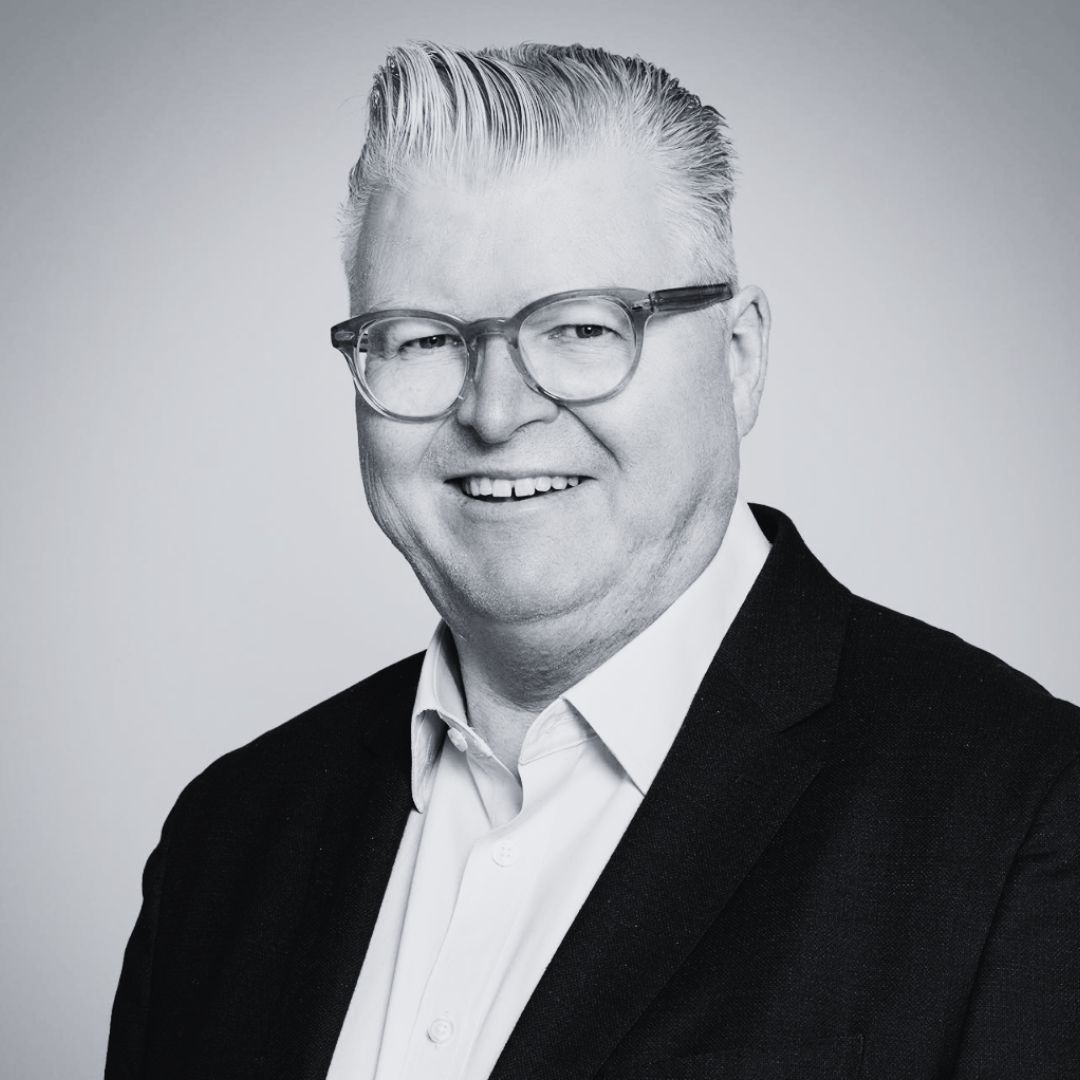
A political scientist and expert in urban development, he has held various positions in the Oslo municipal government, where he was chief of staff to the mayor. His career spans the transformation of the city's waterfront, the management of the Oslo brand, and the promotion of innovation and public-private partnership policies.

Jean Coldefy runs several specialist think tanks and advises the chairman of Transdev. With a background in the Lyon Métropole and innovation consulting, he chairs the scientific committee of France Mobilités and contributed to the Mobility Act. Author of Mobilités: changer de modèle (2022).

Especialista en desarrollo urbano con experiencia en vivienda, suelo, resiliencia, regeneración inclusiva y soluciones basadas en la naturaleza. Ha trabajado en UN-Habitat como Coordinador del Urban Lab y ha diseñado programas y planes urbanos en más de 30 países. Formado en administración internacional, desarrollo urbano y arquitectura por UIMP, TU Darmstadt y la UPM.

Specialist in integrating sustainability, social impact and good governance into public and private organisations. At Forética, he coordinates alliances, standards and roadmaps to accelerate business transition. With extensive teaching and outreach work, he promotes the professionalisation of the ESG ecosystem.

Licenciado en Economía por la UCM y Subdirector General de Rehabilitación en el Ayuntamiento de Madrid, gestionando las políticas para fomentar la mejora de la accesibilidad, conservación, eficiencia energética, salubridad y seguridad de los edificios existentes de uso residencial

Architect and professor at ETSAM, he directs AV/Arquitectura Viva. He has been a visiting professor at Yale, Princeton, Harvard and the Getty Centre, and has chaired juries such as the Venice Biennale. Author of key books on contemporary architecture, he is one of the most influential voices in international architectural debate.

Telecommunications Engineer from the University of Alcalá and Head of Business Development at Moeve. With over 15 years of experience, he leads sustainable mobility and charging infrastructure projects, integrating technology, energy and cities for clean and connected mobility.

Architect from ETSAB, founder and co-director of Cities Connection Project and curator of the exhibition CCP07_ARCHITECTURES IN TRANSITION and CCP MADRID2050 (with Nicola Regusci), founder of xnf arquitectes 1998-2015 (with Nicola Regusci and Ferran Grau), associate professor of Architectural Projects at the University of Girona and author of articles on architectural criticism for the magazine werk, bauen+wohnen

A leader in economic innovation and sustainability, it promotes a model of economy at the service of people and the planet through the NESI Forum. It promotes public policies, social entrepreneurship and collaborative leadership to address the climate and social challenges of the 21st century.

Architect and urban planner with over 25 years of experience in mobility, architecture and civil engineering projects. He advocates an integrated approach where architecture, urban planning and landscaping feed into each other to respond rigorously to technical and urban challenges from a cross-cutting and collaborative perspective.

She leads the implementation of ultra-fast charging infrastructure as part of the Positive Motion sustainable mobility strategy. An industrial design engineer with a master's degree in organisational leadership from the UPM, she has developed her career in technological innovation and energy transition.

Specialist in urban mobility and smart cities. Advises administrations, companies and international organisations on strategies for the transition to sustainable urban models. Regular speaker at global forums and expert evaluator for the European Commission.

Specialist in operations and analytics applied to new forms of mobility. Leads electric charging and technology deployment projects at Moeve Global. With experience in product and business development in SaaS solutions and renewable energy, he combines technical and strategic vision to accelerate sustainable mobility.

He was president of Microsoft Spain and is a member of the Microsoft EMEA committee. He is a specialist in how technology—and AI in particular—drives sustainable growth based on ethics, cybersecurity, and good governance. His international career connects innovation, talent, and ESG criteria to strengthen organisations in the face of disruption and guide purposeful transformation.

A lawyer for Madrid City Council, she has held various positions in the fields of urban planning, participation and urban regeneration. With a degree in law, she has extensive teaching experience and is co-author of several publications on administrative law.

Architect from the UPM, specialist in urban planning and property management. Architect for Madrid City Council since 1998, she has held various positions of responsibility in licensing, building and urban regeneration. She was secretary general of the COAM and patron of its Foundation, and has taught professional courses.

An architect and head of the Architecture Department at the University of Liège, he is co-founder of Baumans-Deffet Architecture Urbanisme (baumans-deffet.be). His work combines practice, research and sustainable urban design.

Civil engineer and Director General of Planning and Mobility Infrastructure at Madrid City Council. With experience in all three levels of government, she has promoted sustainable mobility projects and holds leadership positions in European city and transport networks.

Architect, curator and researcher, co-founder of FAST, a platform dedicated to architecture, ecology and participation. Professor at UMPRUM and Columbia, she has directed the Architectural Association and Storefront NY. She has curated more than 30 exhibitions, including Water Parliaments in Venice 2025.

With a degree in Business Studies and a Master's degree from ESADE, he has held positions in marketing and communications within the group and chaired Agrubaño. He is the founder and former director of the We Are Water Foundation, which he led for over a decade.

Architect from the UPM, master's degree from the AA and doctorate cum laude, founder of GARCIAGERMAN ARQUITECTOS. Professor at ETSAM, co-director of the MPAA and the doctoral programme. His work has been awarded prizes at the BEAU and the FAD and was a finalist at the Mies van der Rohe Awards. It has been published and exhibited internationally.

Architect from ETSAM and Master's degree from MDI, founder of Bueso-Inchausti & Rein Arquitectos and CEO of Inmobiliaria Tiuna. A leading figure in residential architecture in Madrid, his work has been recognised by COAM and ASPRIMA and has received international recognition with nominations and awards such as the Mies van der Rohe, Technal and Loop Design Awards.

Founding architect of EME157, a studio created in 2002 together with Gerardo Macarrón. Specialising in housing projects, renovations and landscaping, her practice is characterised by its attention to light, dialogue with the environment and careful definition of construction details.

Directora de Diseño, Innovación y Sostenibilidad en Distrito Castellana Norte para Madrid Nuevo Norte. Fue Associate Architect en RSHP, donde lideró equipos internacionales y proyectos como Abengoa (LEED Platinum), Atrio Bogotá y Taoyuan T3. Especialista en workplace strategy y edificios de transporte.

Industrial Engineer from the UPM and Director of Sustainability at Holcim Spain, where he promotes strategies for decarbonisation, the circular economy and nature. Vice-President of All4Zero, he has developed his career at Holcim since 2004, with industrial responsibilities in Spain, Malaysia and the Middle East.

Economic correspondent at El Confidencial, specialising in markets, business and economic policy. She combines her journalistic work with teaching on the El Confidencial–URJC master's degree programme, bringing with her a solid track record in economic analysis and communication.

Lucía De Stefano is a professor at the UCM, deputy director of the Botín Foundation's Water Observatory and co-founder of Caminar El Agua. A specialist in water governance and planning, her work focuses on sustainability and water resource management.

Licenciado en ADE, trabaja en la Fundación We Are Water desde 2010, donde pasó de Project Manager a Director en 2020. Lidera la estrategia para impulsar la sensibilización y el acceso al agua y al saneamiento. Con experiencia previa en comunicación en Roca, RBA y agencias, combina visión estratégica y compromiso con proyectos de impacto social.
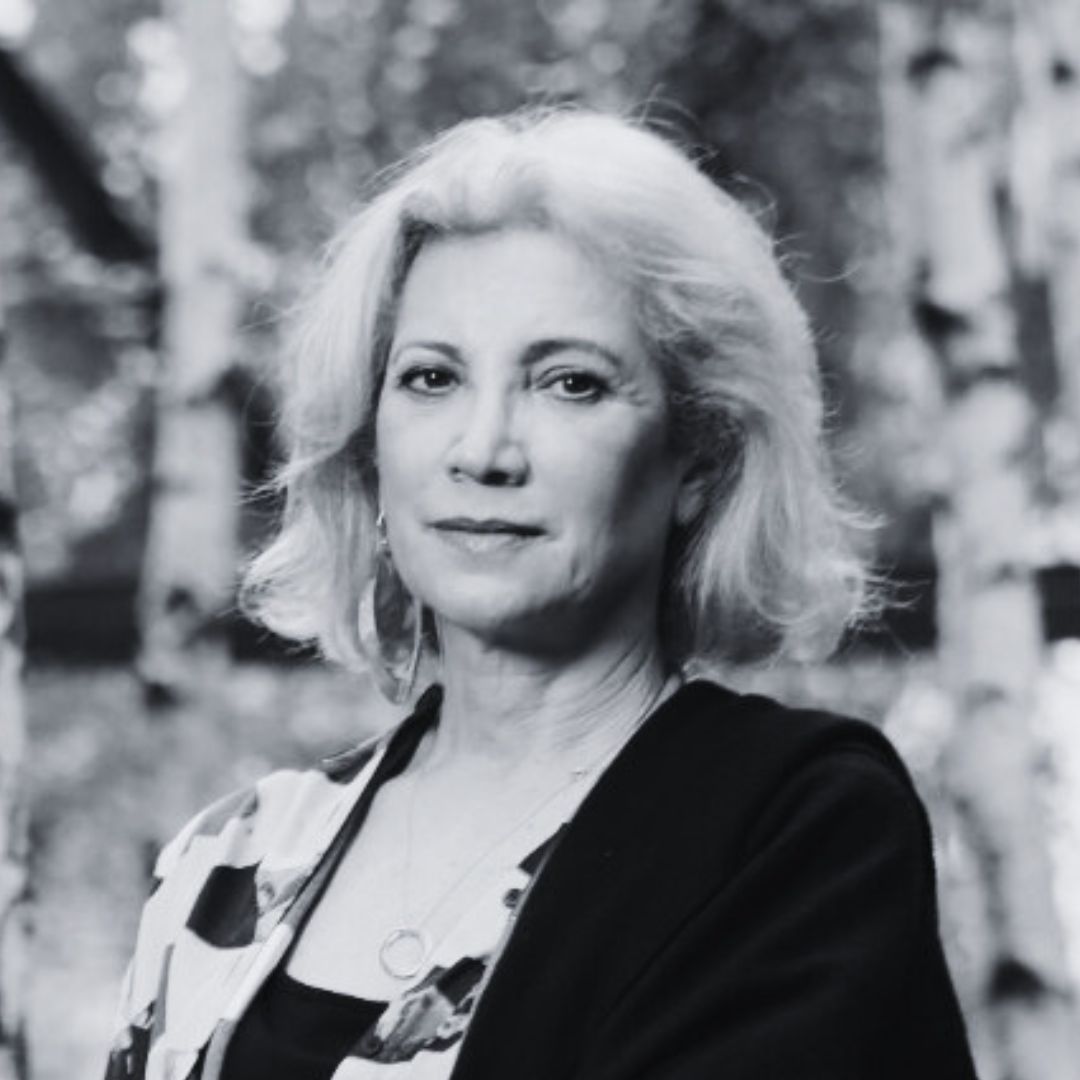
A leading figure in contemporary architecture, she founded her studio in 1991 after working alongside Enric Miralles. The creator of works such as Plaza de la Gardunya, Escuela Massana and CaixaForum Zaragoza, she combines research, social awareness and constructive rigour. Winner of the National Architecture Award and member of the RIBA.

Architect with international experience and professor at NJIT. Co-founder of estudio__entresitio, where she combines material research and public works recognised with more than 50 awards and a presence at several Biennials. Author of Clinical (Actar) and winner of the Colombian Museum of Memory competition.

Doctor of Architecture and recipient of the Extraordinary Doctorate Award from the UPM, with training in Architecture (ETSAM) and Sociology and Political Science (UCM). Professor of Urban Planning at ETSAM and director of Ezquiaga Arquitectura, he has focused his work on research and projects related to territory, landscape and the city.

Architect and executive chairman of Estudio Lamela, a firm founded in 1954 and an international benchmark in large-scale architecture. He has led projects for airports, stadiums and corporate buildings in Europe and Latin America, combining innovation, sustainability and technical excellence.

An architect and professor for 25 years at ETSAM, he is recognised as ‘the architect of sustainability’. Founder of Ruiz Larrea Arquitectura, his work focuses on energy and environmental innovation, prioritising comfort, efficiency and ecological responsibility in every project.

Architect and founding partner of Moneo Brock, with projects in Europe and America. Educated at Harvard and Columbia, she is a professor at ETSAM and founder of CREAS, a platform dedicated to sustainable urban regeneration. Active in professional and cultural networks, she promotes initiatives related to mobility and public space.

Architect from the Polytechnic University of Madrid, specialising in urban planning and renovation. With extensive institutional experience, he has been a councillor for Madrid City Council in the areas of housing, mobility and urban planning. As Dean, he leads the COAM, promoting architecture at the service of the city and society.

Architect and professor with extensive experience in teaching and public works. Co-founder of Matos Castillo Arquitectos, her work combines research and design practice, with more than fifty awards in competitions and outstanding projects in housing, facilities and heritage restoration.

Founder of Pati Nuñez Agency, she develops communication strategies for architecture, design and cities. She translates complex processes into clear and contemporary narratives, connecting studios, institutions and urban agents through strategic content and a cross-cutting vision of the sector.

Architect and professor at the Singapore University of Technology and Design. He directs the Architectural Intelligence Research Lab and is co-founder of Subarquitectura. He has taught at MIT, AA and EPFL. Winner of the Singapore President's Design Award, he researches the relationship between AI, design and sustainability.

Architect and founder of Hexágono Blanco, specialising in architectural communication and digital strategy. She develops content, campaigns and stories for social media, collaborating with studios, administrations and cultural entities on editorial projects and institutional narratives.

Architect and professor of Projects at ETSAM, where she has been teaching since 1997. She combines teaching, research and professional practice with award-winning social housing projects in Madrid. Author of the book Luigi Caccia Dominioni, ejercicios de estilo (Luigi Caccia Dominioni, exercises in style), she is currently working on heritage projects such as the restoration of the Finca Vista Alegre estate.

An architect specialising in large sports infrastructures, he has designed three stadiums for the 2022 World Cup in Qatar, including Stadium 974, the first demountable venue in a World Cup. He advocates sustainable architecture focused on people's well-being and respect for the environment.

Dirige la consultora de estrategias de ciudad Urban Mind. Arquitecto con experiencia en Madrid, Ciudad de México y Frankfurt en vivienda, oficinas y torres. Participó en la primera misión arqueológica española en Iraq. Fue profesor en la TU Darmstadt y escribe sobre ciudad en El Confidencial. En 2024 publicó “Madrid DF” (Arpa), sobre el crecimiento de la capital.

Architect and CEO of Morph, a studio based in Madrid and Malaga and featured in the WA100 list. A specialist in innovative building and large-scale projects, he has developed works such as AQ Urban Sky and Bosque de Atocha, combining design, technology and urban vision.

Winning team of the Madrid Metro Comprehensive Transport Centre competition, formed by Nexo Arquitectura, Gutiérrez-delaFuente and Andrés Perea. Leaders in bioclimatic design, urban planning and innovation, with award-winning projects in Spain and Europe and a solid professional track record.

Doctor of Architecture and founder of Estudio MH10, he combines practice, teaching and artistic creation. His work has been exhibited at the Venice Biennale, published internationally and awarded in Madrid. He has been a member of juries, conferences and editorial projects.

An architect trained at HEC Paris and Paris-Malaquais, he combines design, landscape and urban planning. He has worked with David Chipperfield and developed projects in France and Europe, ranging from university campuses to territorial regeneration, with a focus on territory, ecology and new ways of living.

Founders of the Branco Del-Rio studio (Coimbra), they combine architectural practice, teaching and research. Trained at ETSAM, Coimbra and Barcelona, they have developed their careers in studios such as Mangado, Sancho-Madridejos, BAAS and João Mendes Ribeiro. Their work explores identity, sustainability and contemporary design from a critical and academic perspective.

Architect with her own practice (gloriaochoaarchitektin.com), specialising in educational, sports and public-scale projects. She collaborated on the Kindergarten and Doppelturnhalle in Mauren (Liechtenstein), which won the German Design Award 2024, a project recognised for its programmatic integration and architectural expressiveness.

Partnership formed by Estudio Guadiana and Porras La Casta Arquitectos. Authors of the Manzanares River Master Plan and Madrid Río, an international benchmark in urban regeneration awarded by Harvard and Hispania Nostra. Their work combines sustainability, landscape and urban design with a collaborative methodology that is sensitive to the location.

Architect and co-founder of 300,000 Km/s, a pioneering studio in data-driven urban planning. Her work has been recognised with awards such as the S+T+ARTS Prize, the Spanish Urban Planning Award and the UIA's Abercrombie Award. A researcher and lecturer, she develops strategic projects in mobility, housing and urban policy.

Specialist in public technology with over 15 years of experience in digital transformation and data-driven innovation. A computer engineer and civil servant since 2006, he has led the main digital services of Madrid City Council and is CTO of Sueña Madrid.
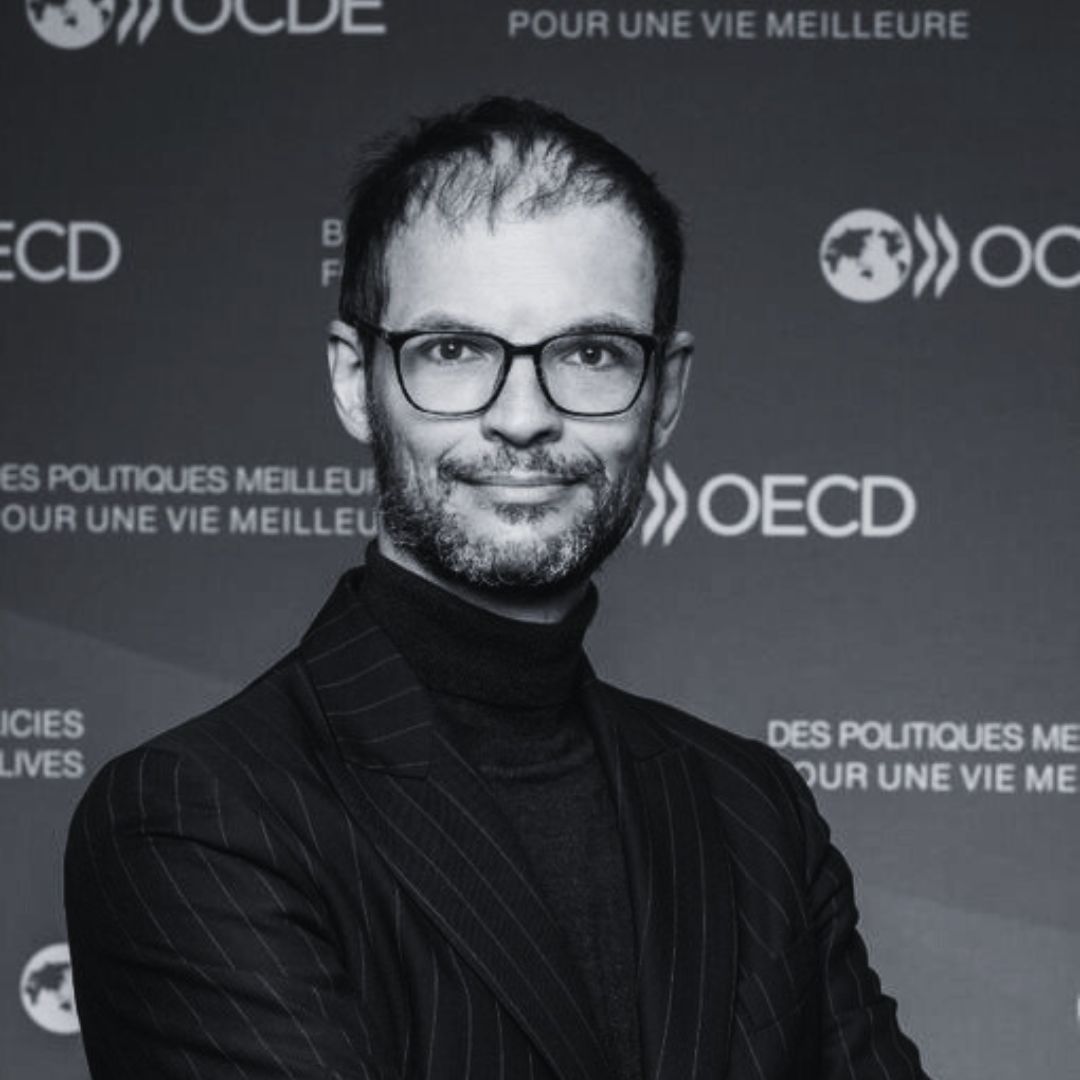
Senior economist at the OECD, where he heads the Environmental and Land Use Economics unit. His work integrates climate change, ageing and housing into regional policies. He holds a PhD from Oxford and a master's degree from Cambridge, and has worked at the IMF and the OECD's Economics Department.

An economist specialising in climate change, water and biodiversity, she leads the Climate Change Mitigation team at the OECD. An expert in decarbonisation policies and environmental economics, she has developed models and analyses on climate, pollution and the circular economy.

Doctor of Civil Engineering from the UPM and associate professor at the same university, he leads strategic mobility projects such as Metro extensions and new transport hubs. With extensive experience in planning and road safety, he promotes efficient and sustainable mobility.

Architect with over 20 years of international experience in urban, residential and heritage projects. Specialist in BIM, digital twins and advanced manufacturing, he participates in the drafting of ISO and CEN standards. Professor at UPM and NTNU, he has led European R&D projects in digitalisation and construction.

An architect and doctoral candidate at the MIT Media Lab, she researches how human experience and community participation can transform cities. She develops tools to visualise urban data, drive climate action, and promote more equitable and inclusive urban planning.

It works at the intersection between architecture and urban planning, addressing the transformation of cities in complex and dense environments. Specialising in timber construction and sustainable mixed systems, the studio—founded in Paris and active in Marseille, Barcelona, and Valencia—develops projects that integrate urban scale, innovation, and sustainability.

Fue directora de Estrategia y Operaciones en PATIO Campus y responsable de Innovación en GSK. Ha trabajado en Merck, Chase y EIT Health, y participa en el European Innovation Council. Con formación en arte, comunicación y tecnología, evalúa programas de emprendimiento y lidera proyectos de innovación.